Dangerous Wall Cracks? Severity & Repair Guide
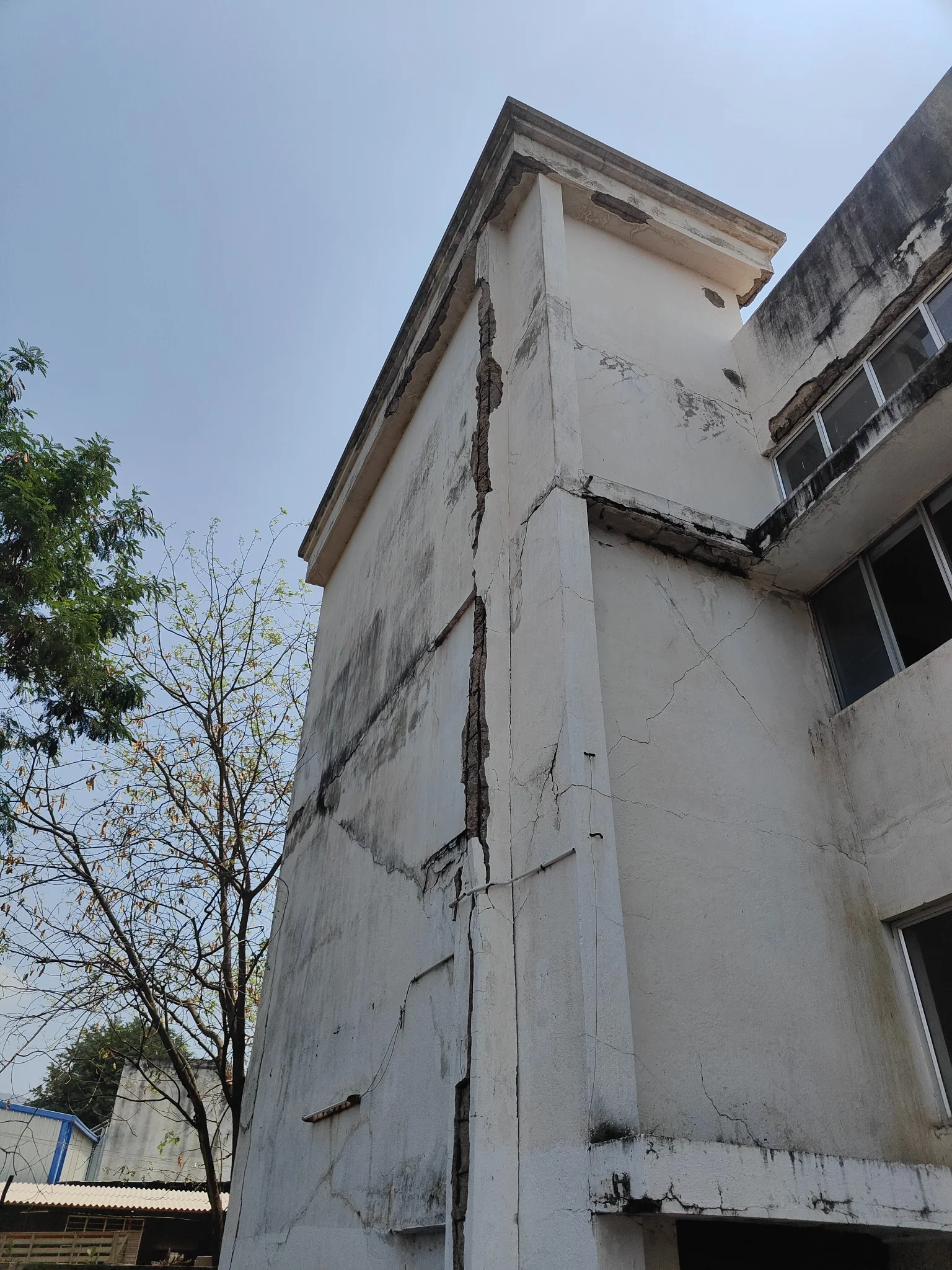
The Forensic Matrix: Deciphering the Geometry
The direction, width, and location of a crack tell a CMDA Registered Structural Engineer a highly specific story about the invisible forces acting on your foundation. In regions like Chennai, highly expansive clayey soil significantly exacerbates ground movement between intense summer droughts and heavy monsoon deluges. Attempting to fill active structural cracks with basic wall putty or cement is futile; ongoing foundation movement will simply rupture cosmetic putty within months.
Predictive Crack Severity & Repair Estimator
Use this interactive dashboard to analyze your crack pattern. It will instantly diagnose your risk level and calculate the estimated 2026 cost of executing a permanent structural epoxy injection or stitching protocol in Chennai:
Crack Pathology Estimator
Live 2026 Structural Repair MetricsThe Two-Phased Solution: Correction & Prevention
If your dashboard shows Moderate or Critical risk, painting over it is not an engineering solution. We execute a strict two-phase structural repair protocol to fuse the crack permanently and stabilize the building:
Phase 1: Correction (Epoxy Grouting & Stitching)
For active separation and shear cracks, we drill injection ports directly along the fault line. Using specialized pressure pumps, we inject high-strength, low-viscosity Epoxy Resin or Polyurethane (PU). For masonry shear, we install high-tensile stainless steel stitching staples across the crack plane, restoring monolithic tensile capacity.
Phase 2: Prevention (Addressing Foundation Settlement)
If the root cause is diagnosed as ongoing foundation settlement (indicated by continuous diagonal crack widening), surface sealing alone is insufficient. We design structural foundation stabilization protocols—such as underpinning or micropiling—to permanently support the footings on deeper, stable strata.
Take Action: Diagnosis & Permanent Repair
Do not wait for a moderate thermal crack to evolve into a critical foundation failure. Secure your property with empirical engineering data:
1. Find the Root Cause
Book a ₹5,900 Structural Site Audit. Our engineers will utilize digital crack gauges to map the load path, analyze settlement patterns, and determine the exact forensic cause.
2. Execute the Repair
Already have an engineering report? Engage our specialized execution team to perform high-pressure epoxy injection grouting and permanent structural stitching.
Frequently Asked Questions on Dangerous Wall Cracks
Explore Related Forensic Case Studies & Engineering Guides
Compound Wall Crack Repair & Soil Settlement
Geotechnical soil investigation and underpinning specifications for a settling compound wall on clayey subsoil.
Concrete Spalling & Beam-Column Repair (35-Yr Old Building)
Forensic remediation of severe column cover loss and junction shear cracks in a 35-year-old apartment complex.
Concrete Falling & Rebar Corrosion Forensic Audit
Half-cell potential corrosion mapping and polymer-modified mortar repair specifications for coastal spalling.
Types of Wall Cracks: When to Worry? Structural Guide
Interactive visual pathology tool cross-referencing crack shape and substrate to diagnose structural risk.
Dangerous Column Cracks: Diagnostic & Repair Guide
Identify 45° shear, flexural, and spalling crack patterns with engineered micro-concrete jacketing steps.
NDT Concrete Testing: Rebound, UPV & Cost Guide
Calculate live UPV and Rebound Hammer testing costs with IS 13311 quality grading standards.